
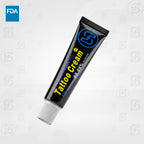
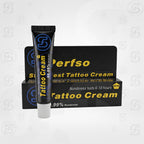
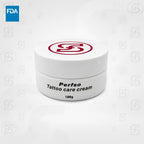
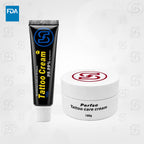
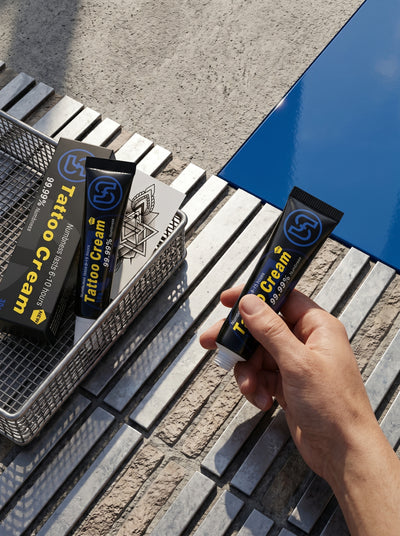

If you're planning a tattoo, you've probably faced this question: should I use numbing cream, or should I just tough it out the old-fashioned way? The answer isn't as black-and-white as you might think.
Some tattoo artists see pain as a rite of passage. Others view numbing cream as a valuable tool that makes the process smoother for everyone involved. And plenty of clients are torn between wanting to "earn" their tattoo and wanting to avoid unnecessary suffering.
Here's the truth: there's no objectively "better" choice. It depends on your pain tolerance, your tattoo's placement and size, your artist's preferences, and what you want out of the experience. Let's break down both sides so you can make the right decision for you.
The Case for Tattooing Without Numbing Cream
For some people, skipping the numbing cream is a deliberate choice. Here's why.
1. It's a "Raw" and Authentic Experience
Some clients believe that feeling the tattoo—pain and all—is part of the journey. They want to fully embrace the process and come out the other side with a sense of accomplishment.
As one tattoo enthusiast put it after a back tattoo session: getting a tattoo without numbing cream "offers a raw and authentic experience" where you "feel every sensation of the tattoo needle." This heightened awareness can make the process challenging but also rewarding for those who want to fully embrace their tattoo journey.
2. Avoiding the "Rebound Pain" Effect
One of the most common concerns about numbing cream is what happens when it wears off.
Some artists have observed that once the numbing effect fades mid-session, the pain can feel even more intense than if you hadn't used anything at all. This "rebound" effect happens when nerves go from being suppressed to fully active again.
If you're getting a long session, this could mean the last hour or two are significantly more painful than the first part—a trade-off that some clients prefer to avoid by never numbing in the first place.
3. No Risk of Altered Skin Texture
Some numbing creams—especially lower-quality or oil-based formulas—can temporarily change the way your skin behaves.
Artists have reported that the skin can become "weird," "dead," or even "rubbery" under certain numbing creams. This can make the needle penetrate less cleanly, potentially affecting linework precision and color saturation.
If you skip the cream, your artist works on natural skin texture, which many prefer. In fact, one professional artist with 28 years of experience noted that specific numbing creams can make the skin feel "like rubber" and are "horrible to tattoo."
The Case for Using Numbing Cream
On the flip side, a growing number of artists and clients see numbing cream as a game-changer.
1. A Smoother, Less Stressful Experience
The most obvious benefit is pain reduction. For clients with low pain tolerance or those getting tattoos in sensitive areas, numbing cream can make the difference between a manageable session and an unbearable one.
Tattoo artist Sarah, who has over a decade of experience, told her colleagues: "Some of my clients are extremely nervous about the pain. When they use a good numbing cream, it helps them relax and enjoy the process more." And a relaxed client means a smoother session for everyone.
2. Longer Sessions for Complex Work
Numbing cream can allow you to sit for longer stretches—which is crucial for large, detailed pieces that would otherwise require multiple sessions.
"It's a game-changer for large, detailed pieces," says Jake, a specialist in full-sleeve tattoos. "Without the constant breaks, I can focus on the art without interruptions." One reviewer noted they "could have sat for hours" after using a 5% lidocaine cream on their thigh.
3. Tackling the "Tough Spots"
Areas like ribs, knees, elbows, hands, and feet are notoriously painful. Without numbing, some clients simply won't choose these placements or may tap out mid-session.
"Tattooing the ribs on someone who's squirming in pain can be really tough," Sarah explains. "A numbing cream makes it much more manageable." It allows you to get the tattoo you actually want, on the placement you actually want, without the placement dictating your experience.
4. Better Long-Term Satisfaction
Here's something rarely discussed: how you feel about the process affects how you feel about the tattoo years later.
High-pain experiences can lead to avoidance of future work, breaking large designs into inefficient sessions, or even regret tied to the process rather than the art itself. When clients use numbing cream, they often report less anxiety about future tattoos, greater willingness to book long sessions, and a more positive overall memory of the experience.
What the Artists Say: A Spectrum of Opinions
Tattoo artists have strong—and very mixed—opinions on this topic.
"Pain Is Part of the Process"
Axel Zaminga, an old-school traditional artist from Italy, doesn't like numbing cream. For him, pain comes naturally with the tattoo—it's simply part of the process. He doesn't understand how someone using numbing cream could feel proud afterwards.
But even Axel acknowledges the exception: there are some really painful spots where numbing can be beneficial, because your artist has to be able to do a good job.
"If It Works for the Client, Why Not?"
Other artists are more pragmatic. Simon Halpern, a blackwork specialist, says he's not a hater nor a fan. If a client needs it and it'll help them not squirm, he says, "why the heck not? After all, that'll subsequently make the tattoo artist's job easier too!"
"It Depends on the Quality"
Many artists draw a distinction between cheap, low-grade creams and high-quality, water-based 5% lidocaine formulas. The issues with altered skin texture are far more common with lower-quality or oil-based products.
Tasha Wild, a neotraditional artist, has experienced difficulty with some clients who used numbing cream—but she still leaves the choice to them. Another artist advises clients to "test the cream on a small patch of skin before applying it to the entire area… Some creams work better than others."
The Bottom Line: There's No Right Answer
Here's the reality: neither approach is inherently "better." Poor use of numbing cream can ruin results—but so can extreme pain that causes you to flinch and move during the session.
| Factor | Without Numbing Cream | With Numbing Cream |
|---|---|---|
| Pain level | Unpredictable; depends on placement and tolerance | Significantly reduced or eliminated |
| Session endurance | Lower; may need more breaks | Higher; can sit through longer sessions |
| Skin texture | Natural; no changes | Usually normal with quality water-based formula |
| Ink retention | Normal | Comparable when used correctly |
| Client satisfaction | Mixed; some feel proud | Often higher; less anxiety about future tattoos |
The difference isn't black and white. It's contextual.
If you're considering using numbing cream, quality matters. Look for a water-based 5% lidocaine formula—the maximum allowed without a prescription—and always do a patch test first. Avoid cheap, unregulated products that may change skin texture or cause reactions.
If you're considering going without, prepare your body and mind. Eat a substantial meal 1-2 hours before, hydrate well, get a good night's sleep, and practice breathing techniques or distraction strategies to manage discomfort.
The Final Verdict
Pain level alone does not decide tattoo quality or your experience. What matters long-term is the artist's technique, how well your skin is managed during the session, and your aftercare discipline.
Used responsibly, numbing cream is a tool—not a shortcut. Going without is a valid choice—not a badge of honor that makes your tattoo more "real."
The best choice is the one that helps you sit still, trust your artist, and walk away with art you love.
0 comments