
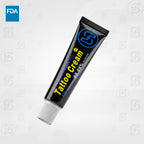
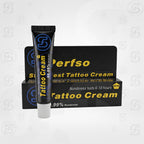
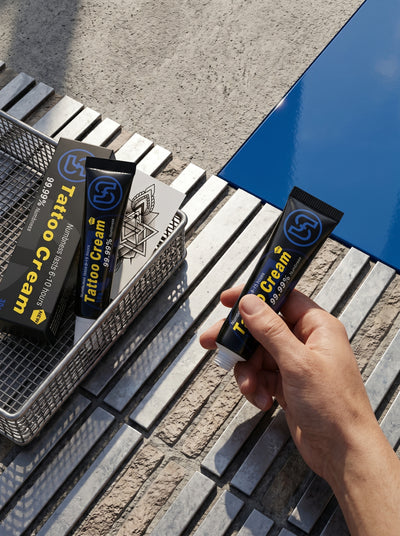
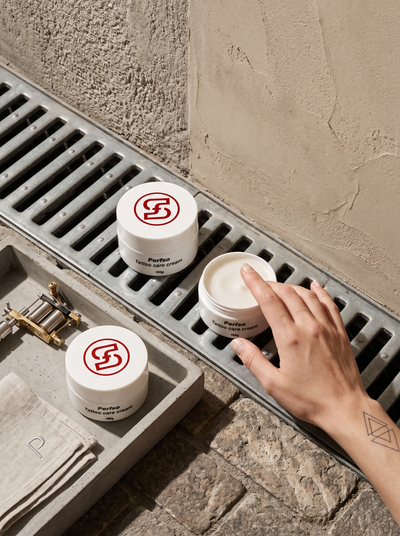

If you're searching for the strongest numbing cream for tattoos, you're probably not looking for marketing copy — you're looking for the most effective tattoo numbing cream you can actually get without a prescription. "Strongest" gets thrown around a lot in this category, so it's worth breaking down what actually determines how well a numbing cream performs, and where Perfso Tattoo Numbing Cream fits into that picture.
What Makes a Numbing Cream "Strong," Really
Three things determine how effective a topical numbing cream is: the concentration of active ingredient, whether it includes anything that helps prolong the effect, and how it's applied. A cream can have a high concentration of anesthetic and still underperform if it's applied too thin, removed too early, or used on skin that wasn't prepped properly. Strength isn't just what's in the tube — it's the combination of formulation and technique.
Lidocaine Percentage for Tattoo Numbing Cream: What's the Maximum Strength Available?
Lidocaine is the most common active ingredient in over-the-counter numbing creams, and 5% is at the higher end of what's typically available without a prescription — concentrations above that generally move into prescription-only territory. So when people search for a maximum strength tattoo numbing cream, 5% lidocaine is usually what they should be looking for. Perfso Tattoo Numbing Cream is formulated at that 5% level.
Tattoo Numbing Cream With Epinephrine: Why It Matters
Perfso's formula also includes epinephrine — something not every numbing cream has. Epinephrine is a vasoconstrictor: it narrows blood vessels in the area it's applied to. In a numbing formulation, that's useful for two reasons: it can help keep the anesthetic concentrated at the site rather than dispersing quickly, and it helps reduce bleeding during the tattoo itself, which is part of why some artists prefer numbed skin that includes it. A tattoo numbing cream with epinephrine is a meaningfully different formula from a plain lidocaine-only cream.
Technique: The Part Most People Skip
Even the strongest lidocaine cream for tattoos underperforms if it's not used correctly. For the best results:
- Wash and dry the area first.
- Apply a thick layer — about 2mm — roughly 60 minutes before your session, rubbed in thoroughly. A thin layer won't penetrate the same way.
- Cover with cling film. The trapped heat helps the cream activate.
- Remove after 60–90 minutes, right before your artist starts.
Skipping alcohol for 24 hours beforehand also matters — it can reduce effectiveness. If you're after a long-lasting numbing cream for tattoos, this is where it actually comes from: once removed, numbness typically lasts 3–4 hours on average, depending on skin type and placement.
Best Numbing Cream for Sensitive Tattoo Areas (Ribs, Spine, Hands, Feet)
A strong numbing cream matters most on high-pain areas. If you're looking for the best numbing cream for rib tattoos, spine pieces, or hands and feet, these thinner-skinned, nerve-dense areas are exactly where the combination of concentration, application technique, and full wrap time makes the biggest difference.
Best Numbing Cream for Large Tattoos
For bigger pieces or longer sessions, coverage matters as much as concentration. A 10g tube covers about 20cm², which is enough for smaller pieces — for larger tattoos or full sleeve sessions, the 30g tube gives more coverage without running out mid-session.
Pairing With Aftercare
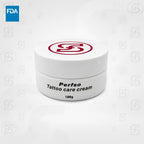
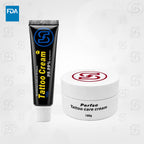
Numbing is only the first half of a tattoo. Once the session's done, the Perfso 3-in-1 Tattoo Care Balm handles the rest — used as a glide during the session and as an aftercare moisturizer during healing. For both products together, the Numbing Cream + Aftercare Balm Kit covers the full before-and-after.
*This guide is general information based on product formulation and usage instructions, not medical advice. Check with your doctor before use if you're on medication, pregnant, or have sensitive skin, and always follow your tattoo artist's guidance during your session.*
0 comments