

Most conversations about numbing cream safety focus on the session itself: does it affect ink saturation, does it change how the needle feels. Less gets said about the longer question. Once you leave the studio, does using numbing cream change how your tattoo heals over the following weeks?
Short answer: rarely, and mostly indirectly. But there are specific situations where it matters more than people assume.
Healing itself isn't really about the numbing cream
By the time your skin starts actually healing, the numbing cream is long gone. Most formulas wear off within an hour or two — well before your session ends, let alone before the days-long healing process begins. There's no lingering active ingredient sitting in your skin, slowing things down while you're on day four of aftercare.
So directly? No. There's no pharmacological effect from the cream carrying over into the healing window itself.
Where it can matter: indirectly, through the session
The connection works like this: numbing cream can change what happens to your skin during the session, and that changes how much work the skin has to do to heal afterward.
A few ways that plays out:
- Over-application changes skin texture. A thick layer left on too long — especially under tight plastic wrap — can over-hydrate the skin until it's swollen and rubbery. That texture makes it harder for an artist to get clean, consistent needle depth. Uneven trauma during the session generally means a rougher heal afterward: more scabbing, more risk of needing touch-ups.
- Numbness removes real-time feedback. Under normal circumstances, pain is information — for you and, indirectly, for the artist gauging how a spot is responding. Heavy numbing can mask that, and occasionally a section gets worked more aggressively than it otherwise would.
- Reworked areas heal rougher. If numbed skin behaves unpredictably (the needle bounces, ink goes in unevenly), some artists pass over the area more than once to compensate. Extra passes mean extra trauma — and extra trauma generally means a longer, rougher heal, whatever caused the rework in the first place.
When numbing cream becomes a real healing risk
A few specific situations turn "indirect" into "direct":
- Applying it to already-broken, irritated, or rashy skin. This puts bacteria right at the site where a fresh wound is about to be created — before the tattoo even starts.
- A genuine allergic or sensitivity reaction to an ingredient in the cream: redness, itching, blistering. That's a separate healing complication layered directly onto the tattoo site.
- Leaving cream on far longer than directed, especially under tight occlusion. This can macerate the skin (soften it past a healthy point) before the needle ever touches it.
What actually keeps healing on track
- Start with clean, dry, unbroken skin. The numbing cream should be fully removed before your artist begins — not blended into the tattooing process itself.
- Follow standard aftercare once the tattoo is done. This does the real work, far more than which numbing product you chose beforehand.
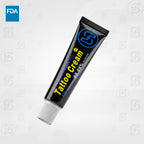
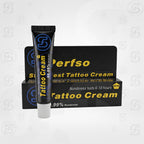
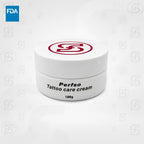
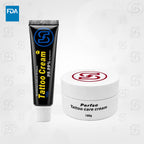
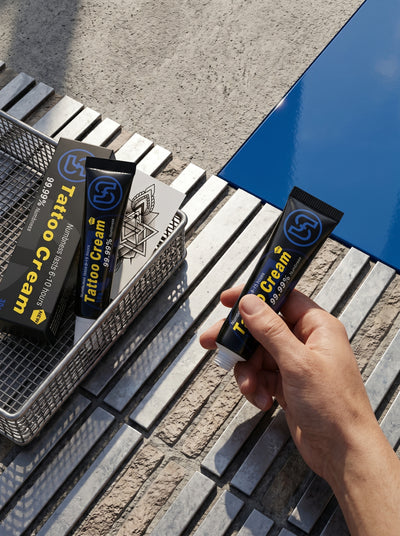
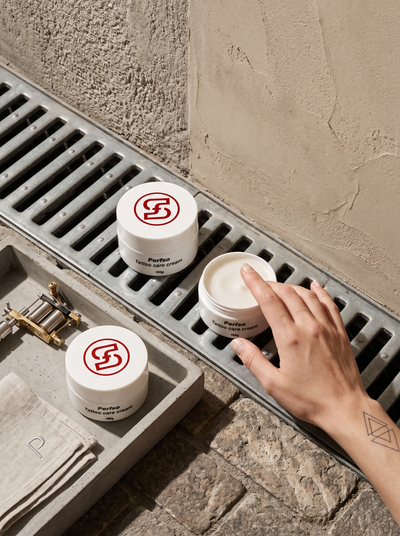
- Choose a formula made for pre-tattoo use, with clear directions for how long to leave it on — rather than a DIY approach that relies on heavier layers or longer occlusion to compensate. Ingredient transparency matters here too: Perfso Tattoo Numbing Cream is manufactured to meet the FDA's OTC monograph standard for external analgesics, and its active ingredients (5% lidocaine, 1% epinephrine) and dosing are publicly listed in the FDA's drug database. That's a manufacturing-compliance and disclosure fact, not an FDA safety approval or endorsement — but not every popular brand can claim even that much. TKTX-branded creams, for instance, have drawn several FDA warning letters for being sold as unapproved, misbranded drugs, and the FDA specifically flagged the same occlusion-plus-undisclosed-concentration issue described above as a safety concern for that category of product.
FAQ
Does numbing cream make tattoos take longer to heal?
Not directly. It can indirectly extend healing if it changes your skin's texture enough to make the tattooing itself less even — but used correctly, on healthy skin, for the recommended time, it shouldn't meaningfully affect your healing timeline.
Can numbing cream cause an infection?
It's not a common outcome, but applying it to broken or irritated skin, or leaving it on far past the recommended time, raises that risk. Starting with clean, intact skin and following the product's directions keeps this risk low.
Is it safe to use numbing cream on already irritated skin?
It's best to avoid it. Irritated or broken skin is more vulnerable to further irritation from the cream itself, and to infection once the tattoo needle is introduced.
Does numbness during the tattoo affect how well it heals?
Only indirectly — numbness itself doesn't slow healing, but it removes some of the feedback that helps keep needle work even, and uneven work generally heals rougher than clean, consistent work.
0 comments