

If you've ever gone looking for the best tattoo numbing cream that actually works, you already know the problem: half the products out there claim to give you a pain-free tattoo, but most people who try them say they barely noticed a difference.
That's not because numbing creams don't work. It's usually because people are using the wrong product, the wrong technique, or both. This guide covers what actually separates a tattoo numbing cream that works from one that's all marketing.
Why Do So Many Tattoo Numbing Creams Fail?
Before getting into recommendations, here's why so many people feel let down by numbing creams:
- Low-quality or diluted formulas — some products cut corners on active ingredients to save money.
- Not enough application time — numbing agents need time to soak into the skin before they do anything.
- No occlusion — skipping the plastic wrap step during application cuts absorption way down.
- Wrong area — thicker skin (like the back or thigh) needs more time than thinner spots (like wrists or ribs).
- Expired or poorly stored product — numbing creams lose potency over time, especially if they've been sitting in heat.
What to Look for in a Numbing Cream That Actually Works
If you want real results, here's what matters when comparing products:
- A recognized topical numbing active ingredient (lidocaine-based formulas are the most common in tattoo-prep numbing products).
- An occlusive, skin-friendly texture that keeps the active ingredient on the skin long enough to absorb.
- Clear usage instructions, including the recommended wait time before your session.
- A non-greasy formula that won't mess with ink transfer.
- Positive, consistent user feedback, not just "before/after" marketing shots.
Cream vs. Gel vs. Spray: Which Works Best for Tattoos?
| Format | Pros | Cons |
|---|---|---|
| Cream | Easy to apply evenly, works well under plastic wrap, good for larger areas | Needs longer absorption time |
| Gel | Absorbs a bit faster, less greasy | Can dry out if not covered |
| Spray | Convenient for touch-ups mid-session | Harder to control dosage and coverage |
For most people getting a new tattoo, a cream applied under occlusion (plastic wrap) tends to give the most consistent results. It keeps the product in contact with the skin long enough to actually work.
How to Apply Tattoo Numbing Cream for Best Results
Even a great product will fall flat if you apply it wrong. Here's the process most tattoo artists and numbing cream brands recommend:
- Cleanse the area — remove any oil, lotion, or dirt from the skin.
- Apply a thick, even layer of numbing cream over the area to be tattooed.
- Cover with plastic wrap to create an occlusive seal. This is one of the most commonly skipped steps, and skipping it is a big reason numbing creams "don't work."
- Wait the recommended time (this varies by product — always follow the label).
- Remove the wrap and wipe the area clean right before the artist begins.
- Ask your artist about reapplication — some allow a thin layer during longer sessions; others don't, since it can affect ink saturation.
Always do a patch test at least 24 hours before your appointment, and follow the product's label instructions exactly. If you have sensitive skin, allergies, are pregnant, or are on medication, check with a doctor first.
Our Pick: Perfso Tattoo Numbing Cream (10g)
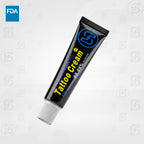
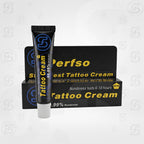
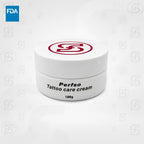
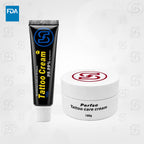
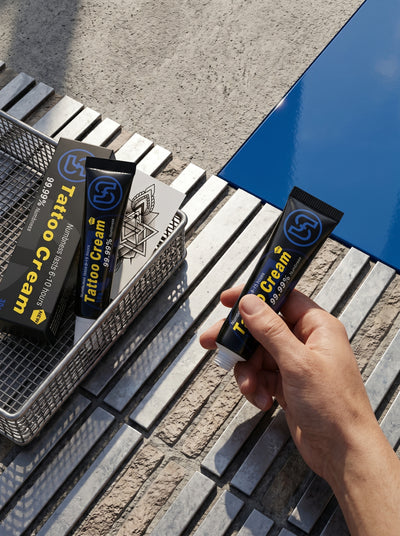
If you're comparing options, the Perfso Tattoo Numbing Cream (10g) is made specifically for topical use before tattoo sessions. It's designed to be applied under occlusion for absorption, with a non-greasy texture that wipes clean before your artist starts.
The 10g size is a convenient travel-friendly option if you want to try it before committing to a larger size. Just remember to read the full ingredient list and instructions on the product page, and patch test in advance.
👉 Check out Perfso Tattoo Numbing Cream (10g) here
Safety Tips Before Using Any Numbing Cream
- Always patch test on a small area of skin 24 hours before use.
- Never apply to broken, irritated, or sunburned skin.
- Don't exceed the recommended application area or time on the label.
- Talk to your tattoo artist beforehand — some studios have policies about numbing products.
- If you're pregnant, nursing, or have a medical condition, talk to a doctor first.
0 comments