
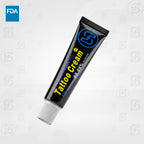
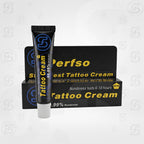
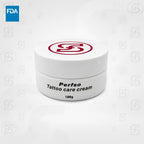
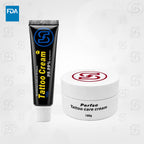
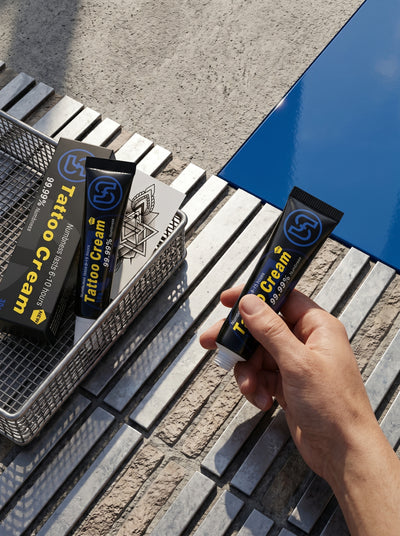
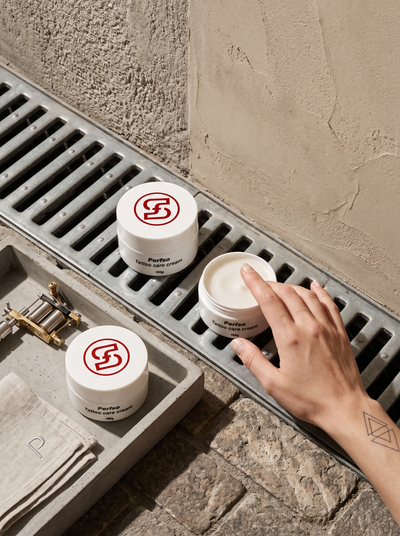

Most tattoo numbing creams don't rely on a single ingredient. Alongside lidocaine or prilocaine, many formulas, including Perfso Tattoo Numbing Cream, add a small amount of epinephrine (adrenaline) to make the numbing effect last longer and reduce bleeding during your session. It works, but it's not risk-free for everyone.
If you're wondering whether epinephrine numbing cream is safe for you, a few things matter before you book your appointment.
What epinephrine does once it's on your skin
Epinephrine is a vasoconstrictor. It narrows the blood vessels in the area where it's applied, which keeps the numbing agents concentrated near the surface for longer instead of dispersing quickly. It also reduces swelling and bleeding while your artist works.
The trade-off is that epinephrine doesn't always stay local. Depending on how much is applied, the size of the area, and how long it sits on your skin, some can absorb into your bloodstream.
Why it can raise your heart rate
Once epinephrine reaches your bloodstream in meaningful amounts, it does what it does throughout your whole body, not just the tattooed area. It speeds up your heart rate, raises blood pressure, and can trigger the kind of "adrenaline rush" feeling: a racing pulse, jitteriness, or a wave of anxiety.
For most healthy adults using a small amount on a small area, this effect is mild and short-lived. But the larger the area treated, or the more product used, the more likely you are to feel it. And for some people, that response carries more risk than others.
Who should be cautious with epinephrine numbing cream
Talk to your doctor before using an epinephrine-containing numbing cream if any of the following apply to you:
- Heart conditions, including arrhythmia, coronary artery disease, or uncontrolled high blood pressure. Epinephrine's effect on heart rate and blood pressure can compound existing cardiac risk.
- Hyperthyroidism. An overactive thyroid already increases sensitivity to adrenaline-like effects.
- Pregnancy. Epinephrine can affect blood flow, and there isn't enough safety data on topical use during pregnancy to call it risk-free.
- Certain medications, particularly MAOIs (monoamine oxidase inhibitors) and some tricyclic antidepressants, which can dangerously amplify epinephrine's effects, and beta-blockers, which can interact with epinephrine in ways that spike blood pressure.
- Anxiety or panic disorders. The physical symptoms epinephrine can cause (racing heart, tremor) closely mimic a panic response and may trigger one.
- Known sensitivity or allergy to epinephrine or to any other ingredient in the specific formula you're considering.
If you're not sure whether something you take or a condition you have falls into these categories, a quick call to your doctor beats guessing.
If none of the above applies to you, formulas like Perfso Tattoo Numbing Cream should give you the benefits described above: longer-lasting numbing and less bleeding during your session.
What to tell your tattoo artist beforehand
Your tattoo artist isn't a doctor, but they do need enough information to make good decisions with you:
- Any heart condition, thyroid condition, or diagnosed anxiety disorder
- Medications you're currently taking, especially antidepressants or blood pressure medication
- Whether you're pregnant or trying to conceive
- Any past reaction to a numbing product, local anesthetic, or adrenaline-based product (like dental anesthesia)
Beyond keeping you safe, this also helps them figure out how much product to use and where.
Signs of an adverse reaction and what to do
Mild tingling, warmth, or slight lightheadedness right after application isn't unusual. But stop and tell your artist immediately if you notice:
- A rapid or pounding heartbeat that doesn't settle
- Chest tightness or pain
- Severe headache
- Noticeable tremor or shaking
- Sudden, intense anxiety or a feeling of panic
- Swelling of the lips, face, or throat, or difficulty breathing (a sign of possible allergic reaction)
Most reactions are mild and pass on their own once the cream is removed. But chest pain, breathing difficulty, or facial swelling mean you should get medical attention right away rather than waiting it out.
0 comments