
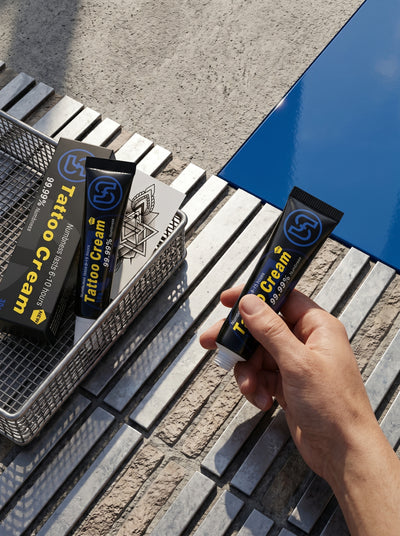
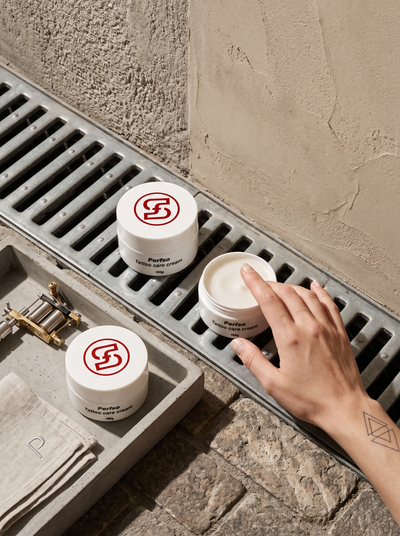

The decision to get a tattoo often brings a mix of excitement and nervousness. For many, the biggest concern isn't the design or the cost—it's the question: "How much is it going to hurt?" This fear of the unknown can even keep some people from booking their appointment.
Fortunately, high-quality tattoo numbing creams have completely changed the game. They're no longer about "toughing it out" but about allowing you to focus comfortably on the art itself. But with so many options on the market, how do you find the one that's truly effective and safe? This guide will break down everything you need to know.
What Is Tattoo Numbing Cream and How Does It Work?
Simply put, tattoo numbing cream is a topical anesthetic. Applied to the skin before your tattoo session, it works by temporarily blocking the pain signals sent from your skin's nerves to your brain.
The core principle is this: active ingredients like lidocaine are absorbed through the skin and act as "nerve blockers." This means even when the tattoo needle is doing its work, your brain doesn't receive the "pain" message. This makes it possible to sit through long sessions and get inked on sensitive areas like the ribs or spine.
How to Choose the Best Tattoo Numbing Cream: Four Key Criteria
When choosing a product, don't just look at price or flashy marketing. Make sure to evaluate it against these essential, professional standards:
1. Active Ingredient & Concentration: 5% Lidocaine is the Gold Standard
This is the single most important factor determining a cream's effectiveness. Currently, the industry's most trusted and effective active ingredient is Lidocaine.
- Active Ingredient: Look for a lidocaine-based formula. While others like Prilocaine and Tetracaine can be effective, lidocaine is the most studied and trusted by the professional tattoo community.
- Critical Concentration: For over-the-counter products, 5% lidocaine is the gold standard. A concentration lower than 5% (like 3%) likely won't provide the strength or duration needed for a real tattoo session. It's practically the "entry requirement" for a professional-grade numbing cream.
2. Choose the Right Formula: Prioritize Water-Based
This is a vital yet often overlooked professional detail. Many cheaper products are oil-based, which is a recipe for disaster for your tattoo artist: the oily residue can make the skin slippery, potentially clog the tattoo needles, and, most importantly, interfere with proper ink absorption.
The best choice is a water-based formula. It absorbs cleanly into the skin, allowing the artist to wipe away all excess before starting, leaving a perfectly prepared "canvas" that's numbed but doesn't compromise the stencil or the color packing.
3. Onset Time and Duration of Numbing
- Onset Time: Quality products generally need 20 to 45 minutes to take full effect. While some advertise a 15-minute onset, it's wise to allow more preparation time for the deepest possible numbing.
- Duration: When used correctly, a high-quality 5% lidocaine cream should provide 2 to 4 hours of profound numbing, which is enough to cover most single tattoo sessions.
4. Safety: Hypoallergenic and Pure Formula
Since tattoos involve open wounds, the safety of the formula is paramount.
- Hypoallergenic: Choose products without added fragrances, artificial colors, or irritants, which can trigger skin sensitivity or allergic reactions.
- Compliant Manufacturing: Always opt for products from reputable manufacturers with clearly listed ingredients and batch numbers. Be wary of cheap, questionable products from some online marketplaces, as they may carry risks of unstable ingredients or unsanitary production.
The "Three-Step Method" for Correct Use: The Secret to Maximum Effectiveness
Having a great product is only the start. Correct application is equally crucial—many who complain about a cream "not working" have simply used it incorrectly.
-
Cleanse & Prep: Wash the tattoo area with a mild soap to remove oils and dead skin cells.

-
Apply Thickly & Occlude: Apply a thin layer first and massage it in slightly to help absorption. Then immediately apply a second, thick layer (like you're frosting a cake) and don't rub it in. The most critical step is to cover the area tightly with plastic wrap. This is called "occlusion." It traps the skin's heat, opens the pores, and forces the active ingredients to penetrate more deeply.

-
Wait Patiently: Keep the plastic wrap on for at least 30 to 60 minutes. This provides the time needed for full nerve blockage. Just before your session begins, you or your artist can remove the wrap and wipe away the cream.

Frequently Asked Questions (FAQs)
Q: Will numbing cream affect the tattoo's healing or the ink's quality?
A: Not if you use a high-quality, water-based formula and follow the correct application method (wiping it clean before tattooing). It will not affect the healing or the ink retention.
Q: How long does the numbing effect last?
A: With correct use of a 5% lidocaine cream, you can typically expect 2 to 4 hours of deep numbing.
Q: Is tattoo numbing cream safe? Are there side effects?
A: Lidocaine is an FDA-approved, widely-used topical anesthetic with a long history of safety. Potential minor side effects include temporary redness, slight swelling, or a warm sensation, which usually subside quickly. It is crucial to perform a patch test before use to ensure you are not allergic to the ingredients.
Conclusion
Choosing a tattoo numbing cream is, at its core, choosing a comfortable and focused artistic experience. Remember this formula: 5% Lidocaine Concentration + Water-Based Formula + Correct Occlusion Application = The Foundation of a Pain-Free Tattoo Experience.
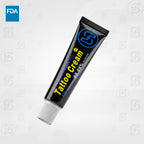
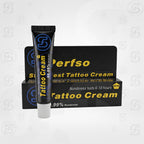
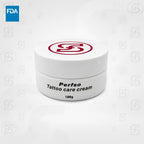
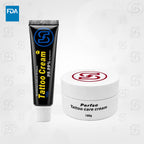
Whether it's your first piece or your latest addition, using the right product allows you to face the needle with greater confidence and focus entirely on the art that's about to be created. When making your choice, look for brands that are transparent with their ingredients, specifically designed for tattooing, and trusted by the professional community—brands like Perfso, designed to provide reliable comfort for your artistic journey.
0 comments