

A good tattoo session rarely comes down to luck. More often, it comes down to preparation — what you do before you sit in the chair, what your artist reaches for while they work, and how you take care of the skin once the needle stops. A complete tattoo numbing and aftercare routine covers all three of these stages, and having the right products for each one can make the difference between a session you dread and one you're relaxed enough to actually enjoy.
This guide walks through how to combine a numbing cream with an aftercare balm across the full lifecycle of a tattoo — before, during, healing, and long after the ink has settled.
Before Your Session: Prepping Skin With Numbing Cream
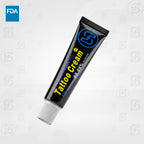
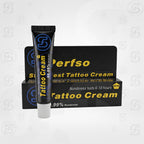
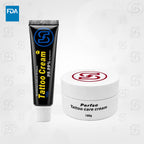
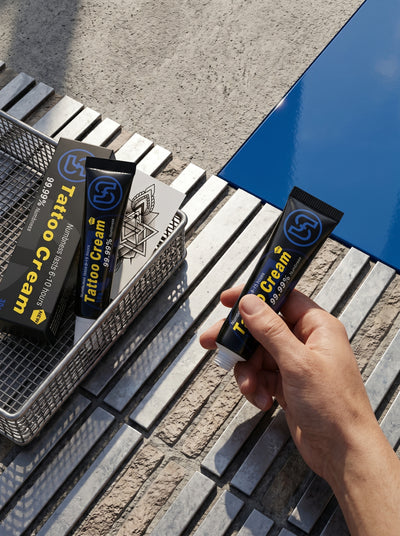
The first stage of any tattoo numbing and aftercare routine starts before you ever sit down for your appointment. Perfso Tattoo Numbing Cream is designed to help support comfort throughout extended sessions, and it's especially useful on high-sensitivity placements like ribs, spine, hands, and feet — the spots most people worry about most.
How to apply it:
- Wash and dry the area you're getting tattooed.
- Apply a thick layer (about 2mm) of numbing cream roughly 60 minutes before your appointment, rubbing it in thoroughly.
- Cover the area with cling film. The heat trapped underneath helps the cream activate.
- Remove the film after 60–90 minutes, right before your artist gets started.
A single 10g tube covers about a 20cm² area, so for larger pieces or longer sessions, the 30g tube is worth having on hand.
A few things that make a real difference in how well it works:
- Skip alcohol for 24 hours before your appointment — it can make the cream less effective.
- Patch test on a small area for 10–20 minutes the day before, especially if you have sensitive skin.
- Numbness typically lasts 3–4 hours on average once the cream is removed, though this varies by skin type and placement.
- Let your artist know you're using a numbing cream before they start.
- If you're taking any medications, check with your doctor first, and don't layer another numbing product on top of it — that can work against you rather than for you.
During the Session: Balm as an In-Process Glide
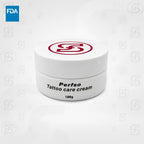
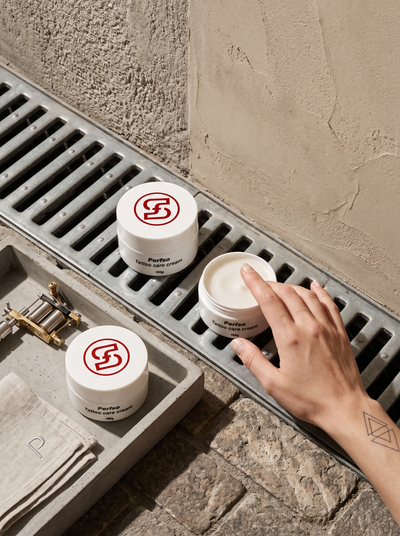
This is where the Perfso 3-in-1 Tattoo Care Balm earns the "3-in-1" in its name — it's built to be useful during the session, not just after it. Many artists use a small amount as a glide while they work, applying it to keep skin soft and workable and reapplying as needed through longer sittings. Its smooth, non-gritty texture spreads evenly without interfering with the tattooing process.
If you're planning a longer session, it's worth mentioning to your artist that you have it on hand.
After the Session: Healing-Phase Aftercare
Once the tattoo is done, the same balm shifts into aftercare mode. During healing, massage a small amount onto clean skin with clean hands. It's formulated to deliver deep moisture without a heavy or greasy feel, which matters — skin that's overloaded with a thick, heavy product doesn't always heal comfortably, while under-moisturized skin can look dull as it settles.
The goal during this stage isn't just comfort. Well-moisturized, healthy-looking skin is also part of what helps a fresh tattoo look its best once the color settles in.
Ongoing Care: Daily Moisturizing, Healed or Not
A tattoo numbing and aftercare routine doesn't have to end once healing is done. The same balm works as a daily moisturizer for dry skin — tattooed or not — and consistent hydration is one of the simplest ways to help keep tattoos looking vibrant well after the healing process wraps up.
A Simple Routine Timeline
- Day before: Patch test the numbing cream on a small area.
- Day of, 60 minutes before: Apply numbing cream, wrap, wait.
- Right before tattooing: Remove wrap, let your artist begin.
- During the session: Balm as a glide, applied and reapplied as needed.
- After the session: Balm massaged in during the healing period.
- Ongoing: Balm as a daily moisturizer.
*This guide is general information based on product usage instructions and isn't a substitute for medical advice. If you're taking medication, pregnant, or have sensitive skin, check with your doctor before use, and always follow your tattoo artist's guidance during your session.*
0 comments