

Let's be honest: tattoos hurt. But how much they hurt—and how you experience that pain—is something you have real control over. The difference between a miserable session and a manageable one often comes down to how you prepare.
This guide covers seven proven strategies to reduce tattoo pain, from what you do the day before to what you do during the session itself.
1. Choose the Right Placement
Not all tattoos are created equal when it comes to pain. Some areas are naturally more sensitive because they have more nerve endings and thinner skin.
| Pain Level | Body Areas |
|---|---|
| Least Painful | Outer arms, forearms, calves, thighs |
| Moderately Painful | Chest, back, shoulders, outer bicep |
| Most Painful | Ribs, armpits, inner arm/bicep, hands, feet, spine, knees, neck, groin |
If you're anxious about pain, consider starting with a less sensitive area. You can always work your way up to the hard spots later.
2. Use a High-Quality Numbing Cream
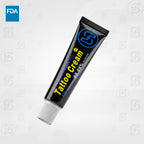
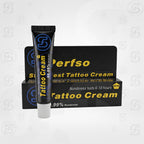
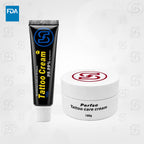
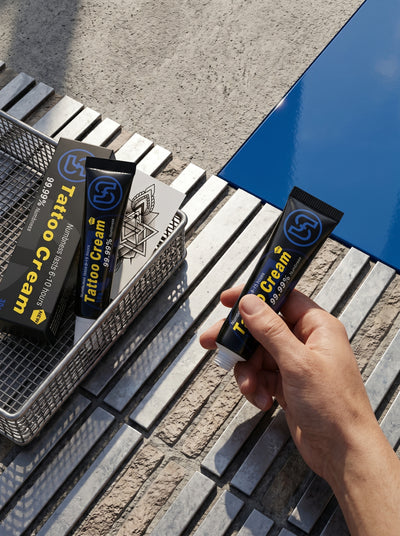
This is the most direct way to reduce pain. A 5% lidocaine tattoo numbing cream, applied correctly, can reduce pain by up to 80%.
Here's what works:
- Concentration matters: Look for 5% lidocaine—the maximum allowed without a prescription.
- Formula matters: Choose a water-based cream that absorbs cleanly, so it doesn't interfere with the stencil or ink.
- Application matters: Apply a thick layer, cover with plastic wrap, and leave it on for 45–60 minutes before your session. This "occlusion" technique forces the active ingredients deep into the skin.
Pro tip: Don't skip the wrap. Studies show occlusion can increase numbing effectiveness by up to 50%.
3. Stay Hydrated and Well-Rested
Your pain tolerance isn't fixed—it fluctuates with your physical state.
- Sleep: A well-rested body handles pain better. Aim for at least 7–8 hours of sleep the night before.
- Hydration: Dehydrated skin is more sensitive and harder to tattoo. Drink plenty of water in the 24 hours leading up to your appointment.
- Blood sugar: Eat a balanced meal 1–2 hours before your session. Low blood sugar can make you lightheaded and more sensitive to pain.
4. Avoid Alcohol and Blood Thinners
Alcohol and certain substances can make tattooing more painful and dangerous:
- Alcohol: Dehydrates your skin and thins your blood, leading to more bleeding and potentially more pain.
- Blood thinners: Aspirin, ibuprofen, and certain supplements (fish oil, vitamin E, ginkgo biloba) can increase bleeding, making it harder for your artist to work and potentially prolonging the session.
- Caffeine: While not strictly forbidden, excessive caffeine can make you jittery and more sensitive to pain. Consider cutting back on the day of your appointment.
Recommendation: Avoid alcohol for 24 hours before your session. Check with your artist about any medications or supplements you're taking.
5. Manage Your Mindset
Pain is as much mental as it is physical. Your brain can amplify or diminish what your body feels.
- Distraction: Bring headphones and listen to a podcast, music, or an audiobook during the session. Engaging your mind elsewhere makes time—and pain—feel lighter.
- Breathing techniques: Deep, slow breathing helps calm your nervous system. Try inhaling for 4 seconds, holding for 4 seconds, and exhaling for 4 seconds.
- Visualization: Imagine the finished tattoo—the art, the story it tells, the reason you chose it. Shifting your focus from the needle to the outcome can reframe the experience.
6. Communicate With Your Artist
Your tattoo artist is your partner in this process—not just an expert with a needle.
- Let them know: If you're nervous or in pain, say something. A good artist will check in with you, adjust their pressure, or take short breaks if needed.
- Ask for breaks: It's perfectly okay to ask for a 5-minute break if the pain becomes overwhelming. Just be aware that breaks can make the session longer.
- Get their advice: Many artists have their own tips and techniques for managing discomfort—tap into their experience.
7. What to Avoid the Day of Your Tattoo
| Do | Don't |
|---|---|
| Eat a solid meal 1–2 hours before | Arrive hungry or on an empty stomach |
| Wear loose, comfortable clothing | Wear tight clothes that rub the tattoo area |
| Bring snacks and water | Bring alcohol or energy drinks |
| Arrive early and relaxed | Rush in stressed and late |
| Trust your artist's guidance | Take unapproved painkillers |
The Bottom Line
Tattoo pain is real, but it's also manageable. By choosing the right placement, using a proven numbing cream, preparing your body, and managing your mind, you can turn a potentially tough experience into a surprisingly comfortable one.
Your tattoo journey is about the art—not the endurance test. Prepare well, and you'll walk out with a piece you love and a story worth telling.
0 comments