

You've finally booked your dream tattoo. You've found the right design and chosen the perfect placement. Now there's just one question lingering: will using a numbing cream mess up the ink?
It's a fair concern. You've probably heard stories—maybe from a friend, a forum, or even an artist—about skin that feels "rubbery," ink that doesn't take, or tattoos that heal poorly after numbing cream. Some artists have strong opinions on the topic, and as a client, it can be hard to know what to believe.
Let's clear up the confusion once and for all. Here's the truth: when you use a high-quality, water-based numbing cream correctly, the answer is no—it does not negatively affect the ink. But here's the catch: not all numbing creams are created equal, and how you use them matters just as much as what you use.
The Science: Why Numbing Cream Doesn't Interfere with Ink
To understand whether numbing cream affects ink, you need to understand how both work inside your skin.
Topical anesthetics like lidocaine work by temporarily blocking nerve endings in your skin from sending pain signals to your brain. This numbing effect happens in the superficial layers of your skin—where the nerves are.
Tattoo ink, on the other hand, is deposited much deeper, into the dermis—the second layer of skin. The ink particles are large and get locked into place by your immune system. The numbing agent and the ink are on entirely different missions inside your skin; they don't interact with each other chemically.
Think of it like getting dental work: the novocaine numbs your jaw so you don't feel the drill, but it doesn't change the color or composition of the filling. The same principle applies here—the anesthetic blocks pain; the ink provides the art.
The Source of the Myth: Oil-Based Creams and "Rubbery" Skin
So where did the idea that numbing cream ruins tattoos come from? The answer lies in the formula.
Historically, older numbing creams were oil-based. These greasy, heavy formulations didn't absorb well into the skin. Instead, they left a slick, difficult-to-work-with surface that artists—understandably—hated. Some artists still associate all numbing creams with this experience.
The real problem wasn't the numbing itself; it was the texture change. Artists have reported that certain creams can make the skin feel "weird," "dead," or even "rubbery." One tattoo artist described the sensation as "almost like tattooing a Nerf football," while others noted that it made the ink harder to pack in evenly. When the skin's texture changes, the needle can't penetrate as cleanly, lines can appear less sharp, and shading may not be as smooth.
Some artists also worry about "rebound pain"—the idea that once the numbing wears off mid-session, the pain can feel even more intense than if you hadn't used anything at all. This isn't about the ink, but it's a valid concern for longer sessions.
"It apparently changes the texture of the skin and causes the ink to be poorly absorbed." — Real user review of an oil-based cream.
Why Modern Water-Based Creams Are Different
The good news is that the tattoo industry has moved on. Today's high-quality numbing creams are water-based, designed to be absorbed cleanly and completely by the skin.
Here's why that matters:
- No greasy residue: Water-based formulas are absorbed into the skin rather than sitting on top of it. This means your artist can wipe the area clean before starting, leaving no slick surface to interfere with the needle.
- Normal skin texture: After the cream is absorbed and wiped off, the skin maintains its natural, workable texture. Artists can pull lines and pack color without fighting the skin's resistance.
- Clean absorption: The active ingredients—like 5% lidocaine—penetrate the skin to block nerve signals, then are cleared away, leaving nothing behind that could interact with the ink.
Some premium products explicitly market themselves as "not affecting ink settling" because they don't contain vasoconstrictors that restrict blood flow or alter skin texture.
The Artist's Perspective: It's About Quality, Not the Concept
So, what do tattoo artists actually think? The answer is: it depends.
Some traditional artists still view pain as a rite of passage. But even the most traditional artists acknowledge that on notoriously painful spots like the ribs, numbing cream can help the client stay still, allowing the artist to do their best work.
Others are more practical. Many artists agree: a relaxed, still client is easier to work with and often results in a better tattoo.
The key distinction artists make is between high-quality water-based creams and cheap, low-grade alternatives. One artist explained: "I always tell clients to test the cream on a small patch of skin before applying it to the entire area… Some creams work better than others."
"It doesn't just make the experience more pleasant for you; it creates a better working environment for your artist, which is reflected in the quality of the final piece."
How to Use Numbing Cream Correctly (So It Doesn't Affect Your Ink)
If you want to use numbing cream without compromising your tattoo, follow these guidelines:
1. Choose the Right Product
Look for a water-based formula with 5% lidocaine—the maximum allowed without a prescription. Avoid cheap, mystery-ingredient creams from unregulated sources. The formula matters more than you might think.
2. Do a Patch Test
Apply a small amount to a discreet patch of skin at least 24 hours before your appointment. This helps you rule out allergic reactions before the real session begins.
3. Apply Generously and Wrap It Up
Apply a thick layer of cream to clean, dry skin. Cover the area tightly with plastic wrap. This "occlusion" technique traps heat, opens pores, and forces the active ingredients deeper into the skin. Leave it on for 45–60 minutes (or follow your product's specific instructions).
4. Let Your Artist Clean the Area
When you arrive for your appointment, your artist will remove the wrap and clean the skin thoroughly—often with an alcohol swab. This step is crucial: it removes all surface residue so the needle has a clean, natural surface to work with.
5. Talk to Your Artist in Advance
Not every artist is familiar with or comfortable with numbing cream. Tell your artist you plan to use it when you book your appointment. They may have brand preferences or specific application advice to share.
The Verdict: Numbing Cream Won't Ruin Your Tattoo—But Quality Matters
So, does numbing cream affect the ink? No—not if you're using a high-quality, water-based product correctly.
The myth that numbing cream ruins tattoos comes from outdated, oil-based creams that changed skin texture and made artists' jobs harder. Modern water-based formulas are different: they absorb cleanly, don't alter skin texture, and have no chemical interaction with tattoo pigment.
Why Perfso?
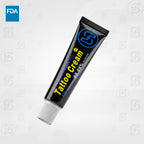
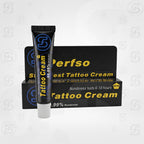
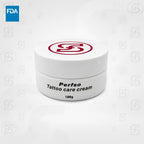
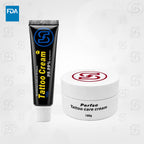
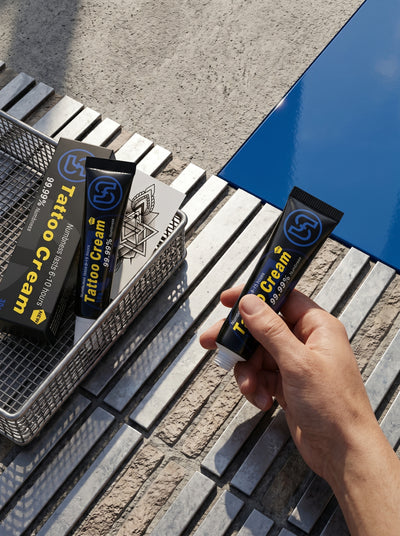
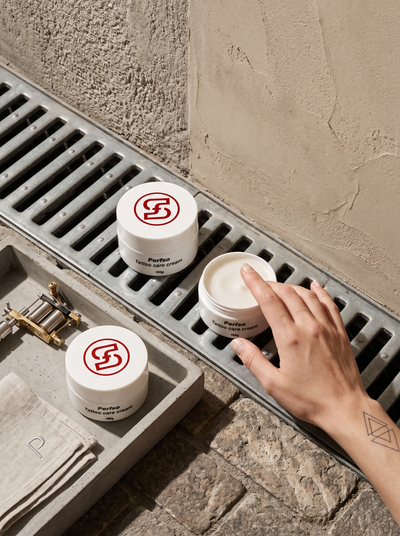
If you're looking for a numbing cream you can trust, Perfso Tattoo Numbing Cream is specifically formulated with tattooing in mind. It's a water-based, 5% lidocaine formula designed to:
- Absorb cleanly without leaving greasy residue
- Maintain natural skin texture for your artist
- Not interfere with ink settling or retention
- Provide effective, long-lasting relief for your session
Your tattoo journey is about the art—not the endurance test. With the right preparation and the right product, you can focus on what matters: the piece you'll wear for a lifetime.
0 comments