
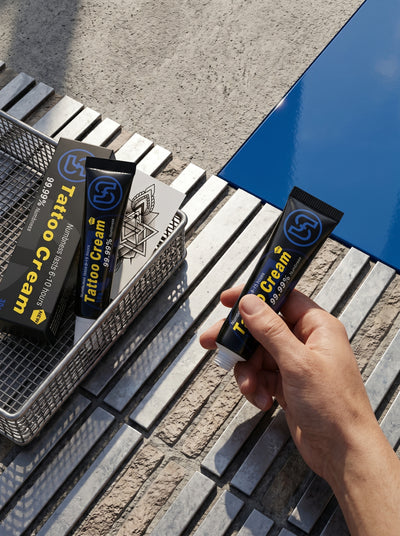

There's a lot of talk about tattoo numbing cream. Some say it's "cheating." Others believe the pain is part of the ritual. And some artists complain that skin with numbing cream feels "like tattooing a sponge."
So, how do tattoo artists really feel about numbing cream? We went straight to the source, gathering insights and experiences from artists on the ground. What we found is more complex than you might think.
Why Do Some Tattoo Artists Have Reservations About Numbing Cream?
Let's be upfront: yes, some artists do have concerns. Their hesitation usually comes down to a few key points.
1. "Pain Is Part of the Process" — A Traditional View
Some traditionalists believe that enduring the pain is an essential part of the tattoo experience—a badge of honor for earning your artwork. Traditional Italian tattoo artist Axel Zaminga, for example, has said he doesn't understand how someone could feel proud of a tattoo they got with numbing cream.
That said, even Axel acknowledges there's a practical exception: on notoriously painful spots like the ribs, numbing cream can help the client stay still, allowing the artist to do their best work.
2. Changing Skin Texture — "Like Tattooing a Nerf Ball"
This is the most common technical concern. Some numbing creams, especially older or oil-based formulas, temporarily alter the skin's texture.
- Skin Feels "Off": Artists report the skin can become too tight, lose its natural elasticity, or even feel rubbery, making it difficult for the needle to penetrate evenly.
- Disrupts the Work: This directly affects linework precision and color saturation, making the artist's job harder and potentially compromising the final result.
- Real Descriptions: One artist compared the feeling to "almost like tattooing a Nerf football." Another said the skin looked "dead and lifeless."
3. "Rebound Pain" and the Risk of the Numbing Wearing Off
Some artists have observed that when the numbing effect wears off mid-session, the client's pain can feel more intense than if they hadn't used it at all—a "rebound" effect as nerves go from suppressed to fully active. This can leave the artist in a tough spot if the client can no longer handle the pain.
4. Legal Restrictions: It's Not Allowed Everywhere
A reality many don't consider: in some regions, it's illegal for tattoo artists to apply numbing cream for their clients.
- Oregon, USA (2026): The Oregon Health Authority clarified that using topical anesthetics falls outside the scope of practice for tattoo artists, warning of potential penalties.
- Michigan, USA (2025): State law now prohibits tattoo artists from using numbing agents unless the client has a valid prescription.
So, sometimes an artist's hesitation isn't about preference—it's about compliance.
Why Are More and More Artists Warming Up to Numbing Cream?
Despite the concerns, a growing number of artists are embracing modern numbing creams. Here's why.
1. Relaxed Clients, Sharper Work
This is the #1 reason artists who support numbing cream give. When a client isn't flinching, tensing up, or trembling from pain, the artist can focus entirely on their craft—resulting in steadier lines, better shading, and finer details.
2. Enabling Longer Sessions
For large, complex pieces that require hours of work, numbing cream can significantly extend the client's endurance, reducing the need for frequent breaks and helping the artist maintain creative flow.
3. Making Sensitive Areas Tattooable
Ribs, knees, elbows, and other notoriously painful spots can be dealbreakers for many clients. Numbing cream helps artists and clients tackle those "tough spots" together, making it possible to ink areas that might otherwise be avoided.
4. Better Client Experience = Repeat Business
A more comfortable experience leads to happier clients, more word-of-mouth referrals, and return customers—essential for any artist building a long-term career.
Practical Advice from Artists to You
No matter your artist's personal stance, communication and preparation are key.
- Communicate Early: When booking your appointment, tell your artist you plan to use a numbing cream. They may have brand preferences, specific application tips, or need to adjust their technique accordingly.
-
Choose a High-Quality Product: Artists generally recommend a water-based formula with 5% lidocaine specifically designed for tattooing. Avoid cheap, mystery-ingredient products that carry higher risks.
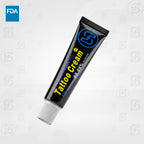
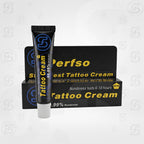
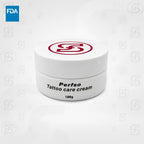
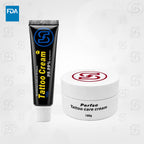
Looking for a reliable option? Perfso Tattoo Numbing Cream is formulated specifically for tattooing—water-based, 5% lidocaine, and designed to absorb cleanly without interfering with your artist's work or the final result. - Always Patch Test: Do a 24-hour patch test on a small area of skin away from the tattoo site to rule out any allergic reaction.
- Manage Your Expectations: Numbing cream reduces pain but doesn't guarantee complete numbness. It's also temporary—timing matters, so follow the instructions carefully (usually applying 45–90 minutes in advance).
Conclusion: It's Not "Yes" or "No"—It's "How"
Whether an artist supports numbing cream isn't a simple yes or no. It's a nuanced topic involving personal philosophy, technique, product quality, and even local laws.
There's a clear trend: modern high-quality numbing creams (like water-based 5% lidocaine formulations) are addressing many of the technical issues that used to put artists off. These products offer effective pain relief without drastically changing skin texture, and they're gaining broader acceptance among professionals.
As one example of this new wave, Perfso is a tattoo-specific numbing cream designed to make sessions more comfortable—helping both artists and enthusiasts stay focused on what matters: the art.
For you, the client, the key is communication and collaboration: talk openly with your artist, choose a safe, high-quality product together, and you'll set the stage for a better, more comfortable tattoo experience.
0 comments