
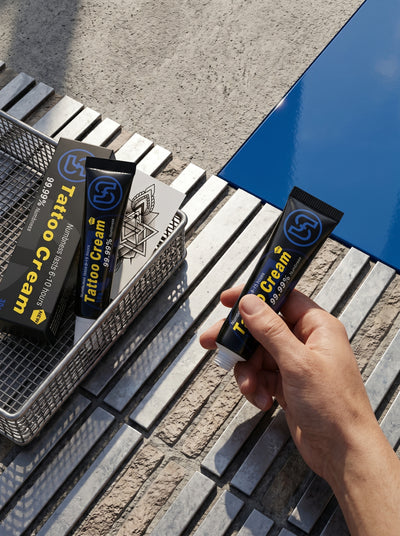
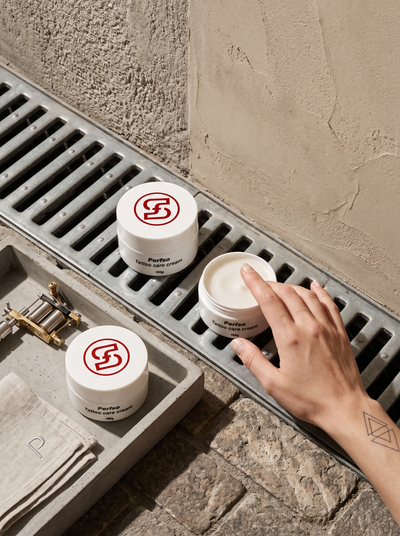

The decision to get a tattoo often brings a mix of excitement and nervousness. For many, the biggest concern isn‘t the design or the cost—it’s the question: “How much is it going to hurt?” This fear of the unknown can even keep some people from booking their appointment.
Fortunately, 5% lidocaine tattoo numbing cream has completely changed the game. It‘s no longer about “toughing it out” but about allowing you to focus comfortably on the art itself. But what’s the science behind this product? Is it really safe? This article will provide an in-depth scientific and medical analysis of how 5% lidocaine works.
What Is Lidocaine and How Does It Work?
Lidocaine is an amide-type local anesthetic, first introduced in 1948 and renowned for its excellent sodium channel-blocking properties. It is FDA-approved for local anesthesia and has a long history of safe use in the medical field.
Core Mechanism of Action:
Lidocaine works by blocking sodium ion channels in the nerve cell membrane. In simple terms:
-
When applied to the skin, lidocaine penetrates the outer layer and enters the nerve cells.
-
It “locks” the sodium channels in the nerve cell membrane, preventing sodium ions from flowing into the cell.
-
Without sodium influx, the nerve cell cannot generate electrical signals, so pain messages cannot be transmitted to the brain.
-
Result: The localized skin area feels numb.
Why Is 5% the “Gold Standard”?
Over-the-counter (OTC) tattoo numbing creams typically have lidocaine concentrations between 3% and 5%. The 5% concentration is the highest allowed for OTC topical products and is widely recognized by the medical and tattoo industries as the optimal balance between effective numbing strength and safety.
Concentration Comparison:
-
Prescription or medical-grade lidocaine products may have concentrations of 5% or higher, but require a doctor‘s prescription.
-
OTC products with 3% or 4% lidocaine are generally used for minor discomforts like insect bites or mild scrapes. Their numbing strength and duration are relatively limited and often insufficient for the deep, sustained pain of tattooing.
A properly formulated 5% lidocaine cream for tattooing can provide up to 2-4 hours of deep numbing, enough to cover most single tattoo sessions.
Application and Safety of 5% Lidocaine Tattoo Cream
Intended Uses
Beyond tattooing, 5% lidocaine is widely used for various dermatological procedures requiring local anesthesia, including:
-
Tattoos, microblading, piercings
-
Laser treatments, microdermabrasion
-
Medical procedures like venipuncture
Safety Considerations
When used correctly, 5% lidocaine cream is safe and reliable. However, keep the following points in mind:
-
Perform an Allergy Test: Before use, apply a small amount of cream to a patch of skin on your inner arm and observe for at least 1 hour to ensure there is no redness, swelling, or itching.
-
Avoid Broken Skin: Never apply the cream to open wounds, severe abrasions, or inflamed skin, as broken skin significantly increases systemic absorption of the drug, leading to unnecessary risks.
-
Keep Away from Eyes and Mucous Membranes: Avoid contact with eyes, the inside of the mouth, and other mucous membranes, as this may cause severe irritation.
-
Follow Dosage Instructions: Do not overapply or shorten the interval between applications in pursuit of stronger numbing. Strictly follow the product instructions.
-
Special Populations: Pregnant or nursing women, and individuals with liver or kidney impairment, should consult a doctor before use.
The “Occlusion Technique” for Maximum Effectiveness
Having a great product is only the start. The correct application method, especially the “occlusion” technique, is crucial for maximizing the numbing effect.
Step-by-Step Guide:

1.Cleanse the Skin: Wash the tattoo area with a mild soap to remove oils and dead skin cells

2. Apply a Thick Layer: Apply a thin layer first and massage it in slightly to aid absorption. Then immediately apply a second, thick layer (about 1-2 mm thick, like frosting a cake) without rubbing it in.

3. Seal with Wrap: Cover the area tightly with plastic wrap. This is called “occlusion.” It traps the skin‘s heat and opens the pores, forcing the active ingredients to penetrate more deeply.

4. Wait Patiently: Keep the plastic wrap on for at least 90 to 120 minutes. This allows sufficient time for complete nerve blockage. Just before your session starts, you or your artist can remove the wrap and wipe away the cream.
Tattoo Numbing Cream vs. Aftercare Balm: Different Stages of Care
-
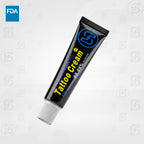
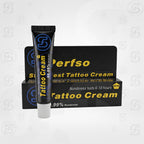
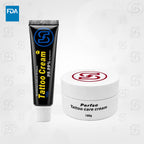
Tattoo Numbing Cream (Pre-Tattoo): Contains local anesthetics like lidocaine. It is applied before the tattoo session to temporarily block pain signals, making the process more comfortable.
-
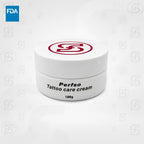
Aftercare Balm (Post-Tattoo): Contains moisturizers, vitamins, and anti-inflammatory ingredients. It is applied after the tattoo session to hydrate, soothe, and promote healing, not to numb.
These two products have distinct and complementary functions, both crucial for a high-quality tattoo experience.
Conclusion
Getting a tattoo no longer has to be a test of pain endurance. 5% lidocaine tattoo cream, through its well-established sodium channel-blocking mechanism, offers a safe and effective way to manage pain for tattoo enthusiasts. By choosing a reputable product and using the correct “occlusion” technique, you can free your mind from the worry of pain and focus entirely on the artwork about to be created.
You're all set—your tattoo journey can begin with a comfortable start.
0 comments